How BIM Technology Elevates Structural Steel Projects
In today’s fast-evolving construction industry, precision, coordination, and efficiency are more important than ever. This is where Building Information Modeling (BIM) transforms the way structural steel projects are designed, detailed, and executed.
At William Fry (www.williamfry.co.uk), we leverage advanced BIM technology to deliver highly accurate, cost-effective, and streamlined structural steel solutions for projects across the UK and beyond.
Let’s explore how BIM technology elevates structural steel projects to the next level.
What is BIM in Structural Steel?
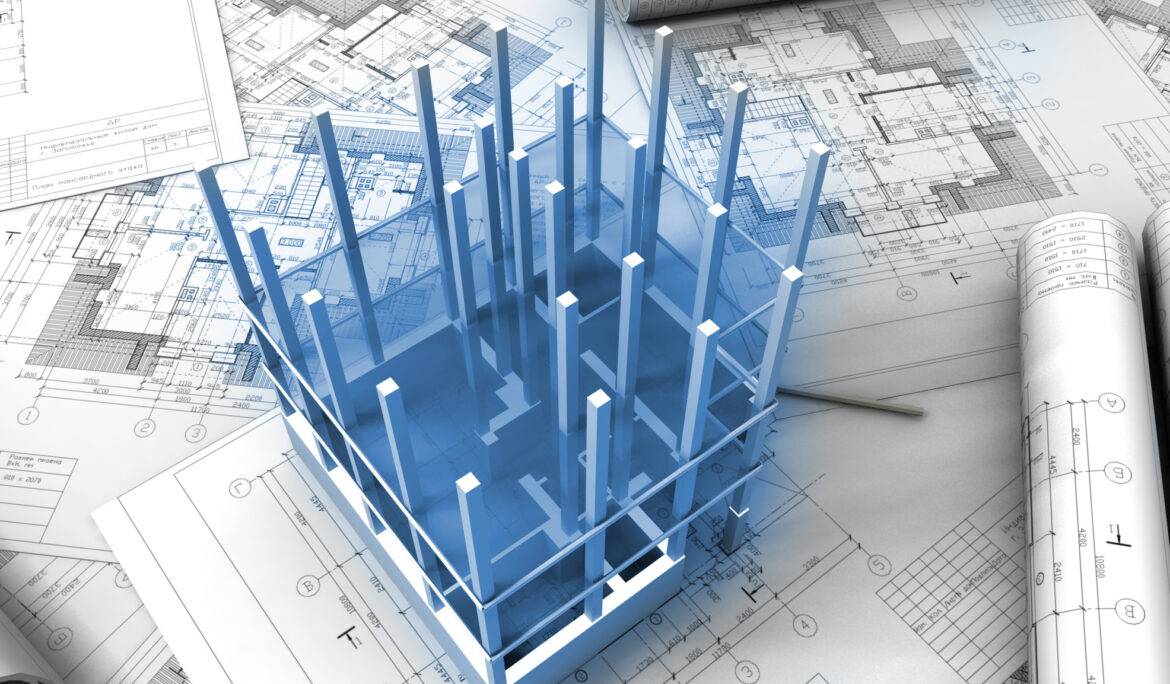
Building Information Modeling (BIM) is a digital process that creates a detailed 3D model of a building structure. For structural steel projects, BIM includes:
Steel beams and columns
Connections and bolts
Plates and welds
Fabrication details
Erection sequencing
Unlike traditional 2D drawings, BIM provides a data-rich 3D environment where engineers, architects, and contractors collaborate seamlessly.
1. Enhanced Accuracy & Precision
One of the biggest advantages of BIM technology is accuracy.
With advanced steel detailing software, every component is modeled precisely. This reduces:
Human errors
Misinterpretation of drawings
Fabrication mistakes
For structural steel projects, even small errors can cause major delays. BIM minimizes those risks significantly.
2. Improved Clash Detection
Clash detection is a major benefit of BIM.
Before construction begins, BIM software identifies conflicts between:
Steel structures
HVAC systems
Plumbing
Electrical components
By resolving clashes early, projects avoid costly on-site rework and delays.
3. Faster Project Delivery
Time is money in construction.
BIM accelerates project timelines by:
Automating detailing processes
Generating fabrication drawings instantly
Improving coordination between teams
Reducing revision cycles
At William Fry, our BIM-driven workflow ensures faster turnaround without compromising quality.
4. Cost Reduction & Budget Control
BIM provides accurate quantity take-offs and material estimates.
This helps with:
Better budgeting
Reduced material waste
Optimized procurement
Improved financial forecasting
Structural steel projects become more predictable and financially controlled.
5. Better Collaboration & Communication
Traditional methods often lead to communication gaps between engineers and contractors.
BIM allows:
Real-time collaboration
Shared digital models
Clear visualization of structural systems
This improves coordination and ensures everyone works from the same updated model.
6. Advanced Steel Fabrication Support
BIM models can directly generate:
CNC machine data
Shop drawings
Assembly drawings
Part lists
This seamless transition from design to fabrication enhances productivity and reduces manual work.
7. Improved Safety & Risk Management
With BIM simulations, teams can:
Visualize construction sequences
Plan safe erection methods
Identify structural risks in advance
This reduces on-site accidents and enhances overall safety management.
8. Sustainability & Material Optimization
Modern construction focuses on sustainability.
BIM helps:
Optimize steel usage
Reduce waste
Improve material efficiency
Support green building standards
Sustainable structural steel solutions are easier to achieve with BIM integration.
Why William Fry Uses BIM for Structural Steel Projects
At William Fry, we combine engineering expertise with advanced BIM software to deliver:
High-precision steel detailing
Efficient project coordination
Cost-effective fabrication solutions
Reliable project execution
Our BIM-driven approach ensures that every structural steel project meets modern industry standards and client expectations.
Key Benefits of BIM in Structural Steel
- Greater accuracy
- Reduced errors
- Improved coordination
- Faster project completion
- Cost efficiency
- Enhanced safety
- Better collaboration
Final Thoughts
BIM technology is no longer optional — it is essential for delivering successful structural steel projects in 2026 and beyond.
By integrating digital modeling, precision detailing, and real-time collaboration, BIM elevates structural steel construction to a smarter, faster, and more reliable process.
If you are looking for expert BIM-driven structural steel solutions, visit www.williamfry.co.uk and discover how William Fry can support your next project.